
Hur Azure kan hjälpa ditt företag
Molntjänster har revolutionerat hur företag hanterar sin infrastruktur och data. En av de mest framträdande molnleverantörerna är Microsoft Azure, som erbjuder en mängd olika verktyg och tjänst... Read More
Att ta steget från idé till verklighet
Att förvandla en affärsidé till ett framgångsrikt företag är en resa som kräver både mod och noggrann planering. Processen kan vara utmanande, men med rätt strategi och inställning är det f... Read More
Fördelarna med hushållsnära tjänster för din livskvalitet
Hushållsnära tjänster har blivit alltmer populära i dagens hektiska samhälle. Dessa tjänster erbjuder en uppsjö av möjligheter att underlätta vardagen för människor som kämpar med att jong... Read More
Naprapati vs. Fysioterapi – Vilken är rätt för dig?
När du upplever smärta eller rörelsebegränsningar kan det vara svårt att veta vilken behandlingsmetod som är bäst för att återställa din hälsa. Två vanliga alternativ som ofta övervägs Ã... Read More
Fördelarna med att använda elcykel
Allt fler människor väljer cykeln framför bilen. Det är ett bra val både vad gäller hälsa och miljö. Har du möjlighet att exempelvis cykla till jobbet gör du miljön en stor tjänst. Fler av... Read More
Varför det är bra att nätverka med andra
Nätverka är något som många tycker är obekvämt. Att gå fram till främmande personer i hopp om att starta en givande konversation som förhoppningsvis leder till en längre relation kan göra v... Read More
Varför professionell fönsterputsning är värt investeringen
Fönsterputsning är en viktig del av hemunderhåll och kan göra stor skillnad för ditt hem’s utseende och funktionalitet. Många överväger att putsa fönster själva för att spara pengar, ... Read More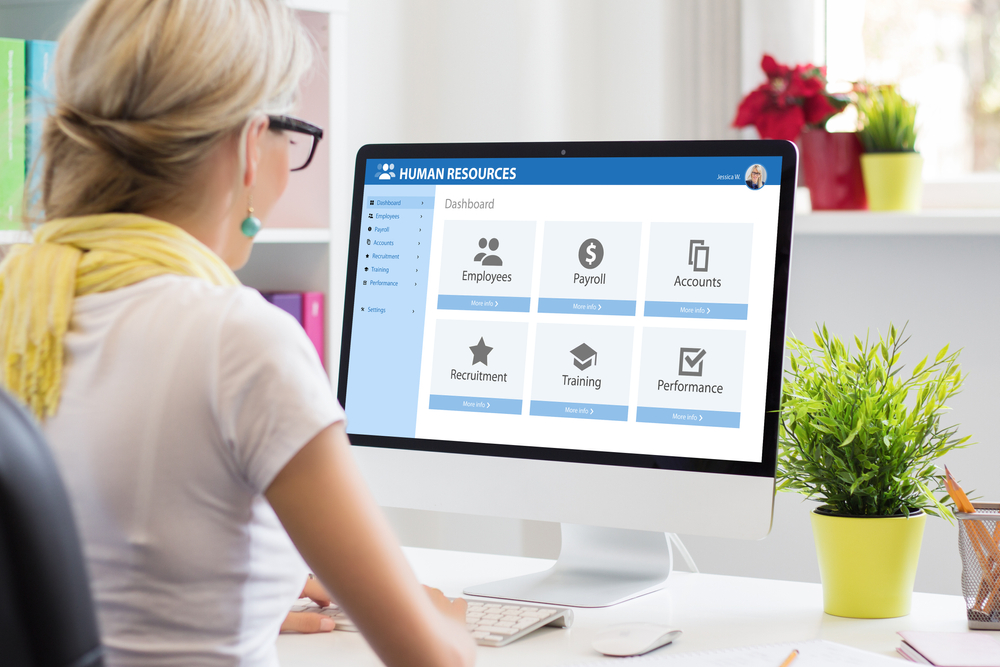
Smidigare personal- och lönehantering
I många fall går det åt flera anställningar på ett företag för att sköta personal- och lönehantering. Om ni använder omoderna system i ett modernt samhälle kommer ni gå miste om alla de fÃ... Read More